


Black Friday Deals
Black Friday Deals Mix and Match
Black Friday Deals Stamp Duty offer We’ll Pay Up To £3,000
Black Friday Deals 3 Years Rent in Advance
Black Friday Deals Buy more than one Extra £999 off each house
Search

The £48 Billion Shake-Up: Why Fewer Landlords Means Bigger Returns

Rental Supply Shock to Higher Across The UK 

According to recent headlines, the UK rental market is undergoing a major structural shift as thousands of landlords exit the private rented sector, reducing the number of homes available to rent. Recent research suggests the total value of UK rental property fell by £48 billion in 2025 (The Telegraph), marking the largest annual contraction in the private rented sector this century. 

A combination of tax changes, higher mortgage costs and increasing regulation has prompted many smaller landlords to sell their properties. Policies such as the stamp duty surcharge on second homes and buy-to-let properties have also reduced the number of new investors entering the market. 

While some headlines focus on landlords leaving the sector, the longer-term impact will actually strengthen conditions for buy-to-let investors who remain active over the longer term.  

Why a Shrinking Rental Market Benefits Investors 

When landlords sell rental properties, those homes are often purchased by owner-occupiers rather than new investors. This means that properties leaving the market are not being replaced with new rental supply, gradually shrinking the size of the private rented sector. 

At the same time, demand for rental accommodation across the UK remains strong due to population growth, affordability pressures for first-time buyers, and employment growth in regional cities. 

When rental demand rises but supply falls, it creates stronger market conditions for property investors, often resulting in higher rents and improved long-term investment performance. 

We’re seeing very strong tenant demand across the North East, and in many cases the number of available rental properties simply isn’t keeping up

The Buy-to-Let Market is Evolving

Rather than signaling the end of buy-to-let, the current changes suggest the UK property investment market is evolving. Smaller landlords with narrow profit margins may be exiting the sector, but professional investors focused on long-term rental income and capital growth continue to invest. 


Why Investors Are Turning to Find UK Property 

Find UK Property specialises in sourcing investment opportunities in high-demand regional markets where rental fundamentals remain strong. 

By focusing on areas with strong employment growth, increasing tenant demand and affordable entry prices, investors can still access opportunities offering around 7 percent net rental returns alongside long-term capital appreciation potential. 

As the UK rental market continues to tighten, properties in these locations may become even more valuable from a rental perspective. 

As Callum Pickering concludes, investors entering the market today may be positioning themselves for strong long-term performance as rental demand continues to grow. 

Facebook
Twitter
LinkedIn

More News

Black Friday at Find UK Property: Three Offers on Your Next Investment House

Up to 3 years of advance rent, up to £3,000 towards your Stamp Duty and an extra discount when you...

Lloyds House Price Index: North West and North East Lead English House Price Growth

Lloyds HPI October 2026: North West prices up 2.2% and North East up 2.0% while UK prices fell 1.2%...

UK Budget 2026: Why the Outlook Remains Positive for Property Investors

Despite a 2 percentage point rise in income tax on personally held rental profits from April 2027...

North vs South: Land Registry Figures Reveal Where UK House Prices Are Rising Fastest

UK House Price Index for August 2026: North East prices rose 3.2% and North West 2.2% year on year...

Dr. T’s Predictions For 2026: How Are They Looking Now?

North East England recorded an average gross rental yield of 8.02% in the third quarter of 2026...
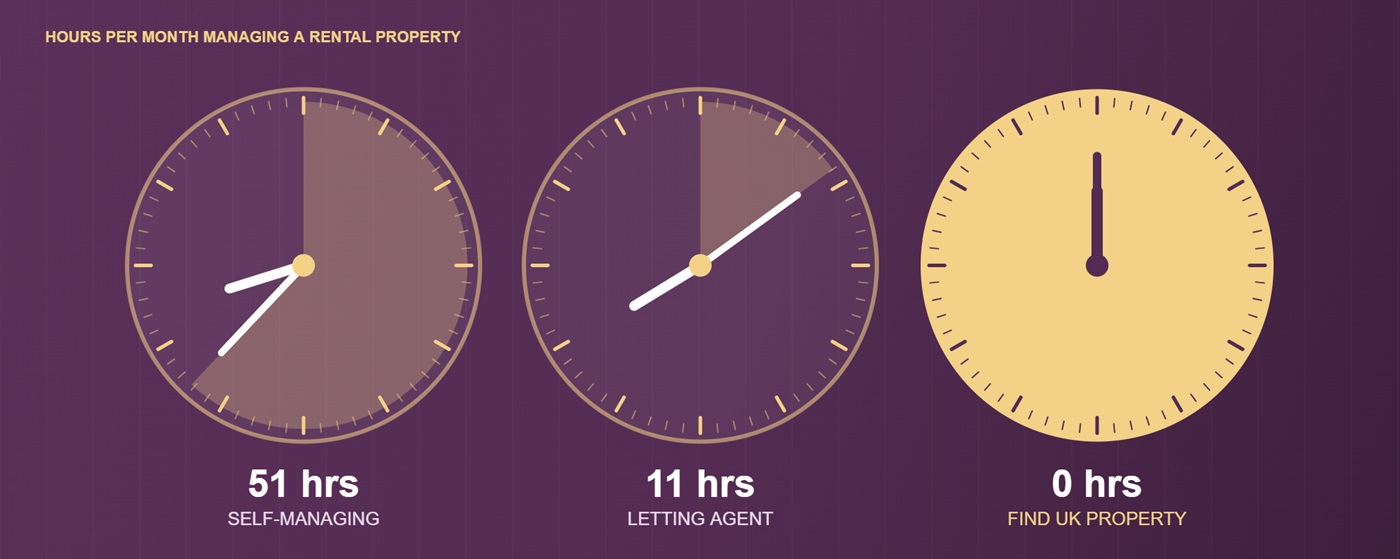
51 Hours, 11 Hours or Zero? The True Time Cost of Being a Landlord

Self-managing landlords spend 51 hours a month on their rentals, and those using an agent spend 11...