The New Landlord Rulebook: What Has Changed and What Comes Next
What property investors need to know about the Renters' Rights Act, the new Right to Rent rules and the next stage of rental reform.
England's private rented sector looks very different today than it did at the start of 2026.
The biggest changes arrived on 1st May, when the first major phase of the Renters' Rights Act came into force. Then, on 1st October, updated Right to Rent rules introduced further requirements around the way landlords check prospective tenants.
And the changes are not finished yet. A national landlord database, a new Ombudsman and further property standards are all on the way.
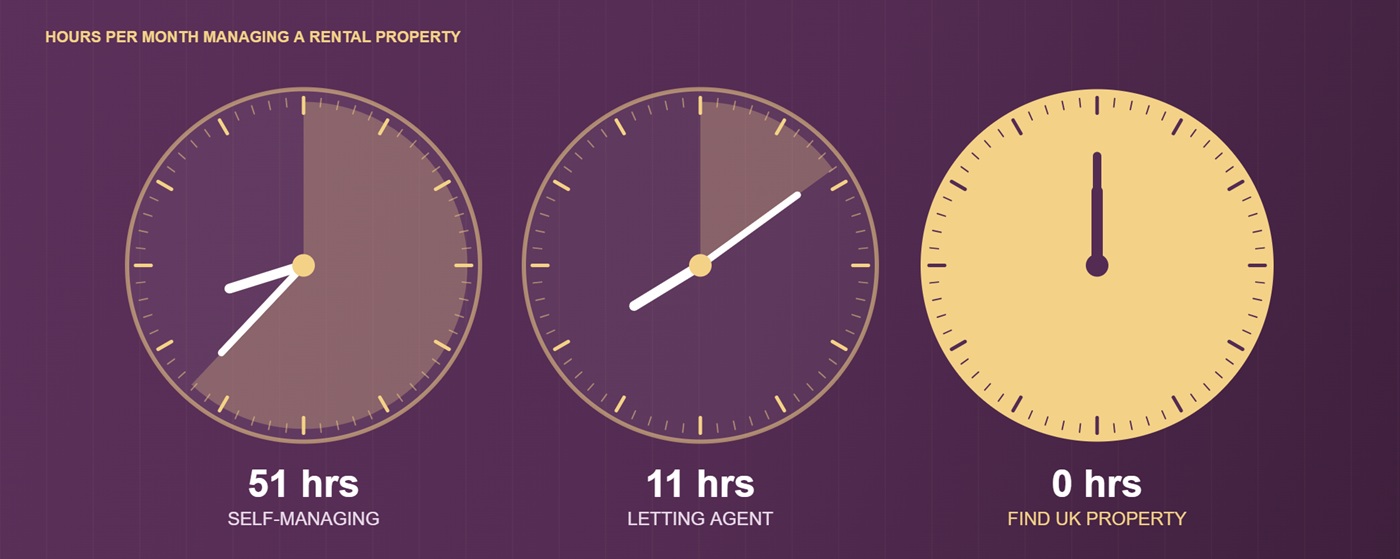
For landlords managing properties themselves, there is considerably more to keep track of. For Find UK Property clients, the picture is different.
At a glance
-
1st May 2026The main Renters' Rights Act tenancy reforms came into force.
-
1st October 2026Updated Home Office Right to Rent rules took effect.
-
From December 2026The proposed regional rollout of the new Private Rented Sector Database is due to begin, subject to the draft regulations completing the parliamentary process.
-
2028The Government currently expects mandatory membership of the new PRS Landlord Ombudsman to begin.
1.What actually changed on 1st October?
There is an important distinction to make.
The main Renters' Rights Act changes did not start on 1st October. They had already taken effect on 1st May.
What changed on 1st October was the Right to Rent Scheme, administered by the Home Office.
Landlords and agents in England are required to establish that every adult using a rented property as their only or main home has the legal right to rent it.
The Home Office updated its guidance and Code of Practice from 1st October 2026, with some of the most significant changes affecting digital checks.
Where a landlord chooses to use a Digital Verification Service Provider, that provider must now be registered with the Office for Digital Identities and Attributes and authorised to carry out Right to Rent checks. The guidance also expands the use of digitally issued documents and clarifies how checks should be completed where somebody has an eVisa.
There is also a new timing requirement for people with a time-limited Right to Rent. The relevant check must be completed and recorded no earlier than 28 calendar days before the tenancy agreement is entered into.
Source: Home Office Right to Rent guidance, 1st October 2026
Why this matters
Getting the process wrong is not simply an administrative problem.
Current civil penalties for renting to a disqualified occupier can reach £10,000 per occupier for a first breach and £20,000 for a repeat breach within three years. Those penalty amounts are not new from October, but they show why completing the correct checks matters.
For self-managing landlords, tenant onboarding now requires another layer of care, documentation and record keeping.
2.What has already happened under the Renters' Rights Act?
The much bigger change to the rental market happened on 1st May 2026.
Existing assured shorthold tenancies moved into the new assured periodic tenancy system, while new qualifying tenancies also became assured periodic tenancies.
The old "no fault" possession route was abolished. Landlords must now rely on the appropriate statutory possession grounds.
Rent increases moved onto a more controlled statutory process.
Landlords can no longer encourage or accept bids above the advertised asking rent.
The reforms introduced stronger protections involving prospective tenants with children or those receiving benefits, alongside new rules around requests to keep pets.
Local authorities gained stronger enforcement powers, and the maximum period covered by a Rent Repayment Order increased from one year to two years.
Source: GOV.UK Renters' Rights Act overview for landlords
The issue is not whether landlords can continue to operate successfully. They can.
The issue is how much knowledge, administration and ongoing compliance is now required to do it correctly.
For someone with one or two properties who manages everything personally, the landlord role increasingly extends well beyond collecting rent and organising the occasional repair.
3.What comes next?
One of the biggest pieces still to come is the Private Rented Sector Database.
The Government intends the database to create a central record of landlords and rented properties in England. Entries will include information about the landlord, property and relevant compliance documentation.
Draft regulations published in September set out a regional timetable.
PRS Database rollout
Sources: Draft Private Rented Sector Database regulations and Government Renters' Rights implementation roadmap
4.More regulation does not have to mean more work for the investor
This is where the difference between buying a rental property and operating one becomes increasingly important.
The rental market is becoming more regulated, which means landlords need to be much more disciplined about process, documentation and compliance. The key is making sure those responsibilities are handled properly and consistently, particularly as further changes come into force.
Find UK Property works differently.
Under our managed rental model, the property owner rents the property directly to Find UK Property. We then sublet it to our own subtenants and manage that relationship, including the day-to-day tenant and property management work.
That distinction matters more as regulation increases.
A Find UK Property client is buying a property investment. They are not buying themselves another job managing tenants.
Source: How Find UK Property compares
Why this is good for Find UK Property clients
More regulation can make direct property management harder, but it also highlights the value of having an established management structure already in place.
That work sits within the management model.
The client retains ownership of the property while Find UK Property becomes the tenant and deals with the subtenants and day-to-day management.
For investors living overseas, that can be particularly useful. But the same applies to UK investors who simply want property ownership without becoming full-time landlords.
The bottom line
The Renters' Rights Act has changed the rules of private renting, the Right to Rent process has now been updated, and further regulation is already on the way.
For self-managing landlords, keeping up is becoming part of the job. For Find UK Property clients, it does not have to be.
You own the property. We handle the day-to-day work that comes with letting it.
As the rental market becomes more regulated, that difference becomes increasingly important.