
A historic market
Backed by data
See how national capital growth, rental demand and regional pricing can work together - and why affordable Freehold houses in Northern England remain our focus.

Everyday demand
Growth shaped by
supply and demand
The national average price from 1976 to 2026, and how long it has typically taken to double.
HM Land Registry UK House Price Index, June 2026 release. Average price, all property types.
UK house prices over 50 years
Average price, all property types, calendar-year mean of monthly values; 2026 is the mean of January to June. Contains HM Land Registry data © Crown copyright and database right 2026, licensed under the Open Government Licence v3.0.
Three fundamentals
One tangible asset
Property combines a real, ownable asset with two potential sources of return: rent during ownership and capital growth over time.
Long-term growth
The existing Find UK Property market guide uses 50 years of historic data and an average property-value doubling period of around 12 years.
Established standards
A mature legal and regulatory framework helps make ownership, conveyancing and landlord responsibilities clear.
Regional opportunity
Long-term capital growth can be broad, while entry prices and rental yields vary significantly between regions.
Rental income works
harder in the North
Gross rental yield on terraced houses, 2022 to 2026
Gross yield is the ONS average monthly private rent for terraced properties multiplied by twelve, divided by the HM Land Registry average price for terraced properties, using calendar-year means; 2026 covers the months published so far. Gross means before management, repairs, insurance, void periods, mortgage interest and tax. London is the unweighted mean of all 32 boroughs. Contains HM Land Registry data © Crown copyright and database right 2026 and ONS data © Crown copyright 2026, licensed under the Open Government Licence v3.0.
Gross rental yield is the annual rent divided by the property value. Where purchase prices remain accessible and rental demand is steady, the percentage return can be stronger.
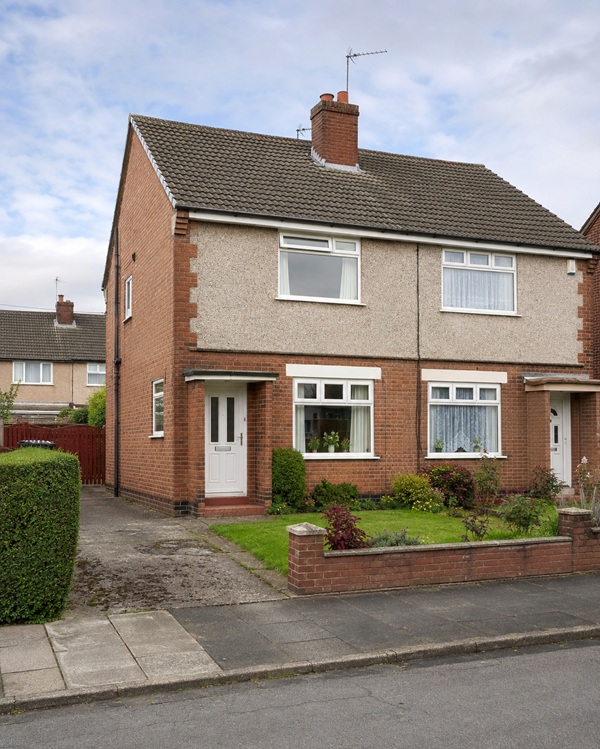 Affordable full houses
More ways to make
your capital work
Lower-cost full houses can make it easier to enter the market, diversify a portfolio and focus on tenant demand rather than prestige pricing.
- 01Higher rental yields in lower-cost areas
- 02More accessible without a mortgage
- 03Spread capital across more properties
- 04Smaller steps when building a portfolio
- 05A broader resale market for full houses
Smart money is
moving North
Find UK Property focuses on established Northern towns where affordable houses meet everyday rental demand. The team has identified 28 neighbourhoods across the North West and North East through more than 18 years of operating experience.
 North West and North East England
Not all property investments
work the same
Ownership type, ongoing charges, tenant market and completion risk can materially change the real return from an investment.
 01
01Big-city
apartments
Often leasehold, with service charges and higher entry prices that can reduce the percentage return.
Assess ownership, costs and exit options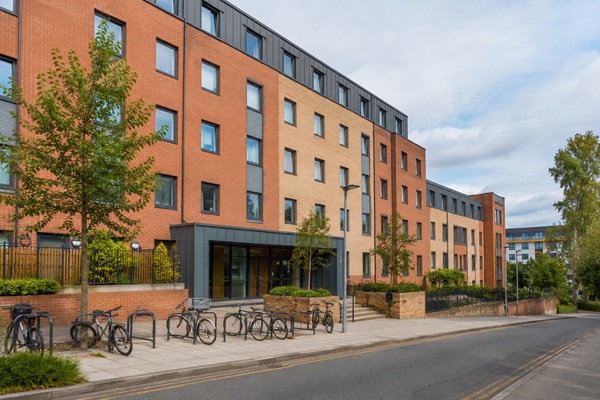 02
02Student
accommodation
Specialist use, management costs and a narrower resale market can add complexity for long-term investors.
Assess ownership, costs and exit options 03
03Off-plan
property
Construction timelines, multiple parties and delayed rental income can increase uncertainty before completion.
Assess ownership, costs and exit optionsEight house types
A fixed 7% net rent
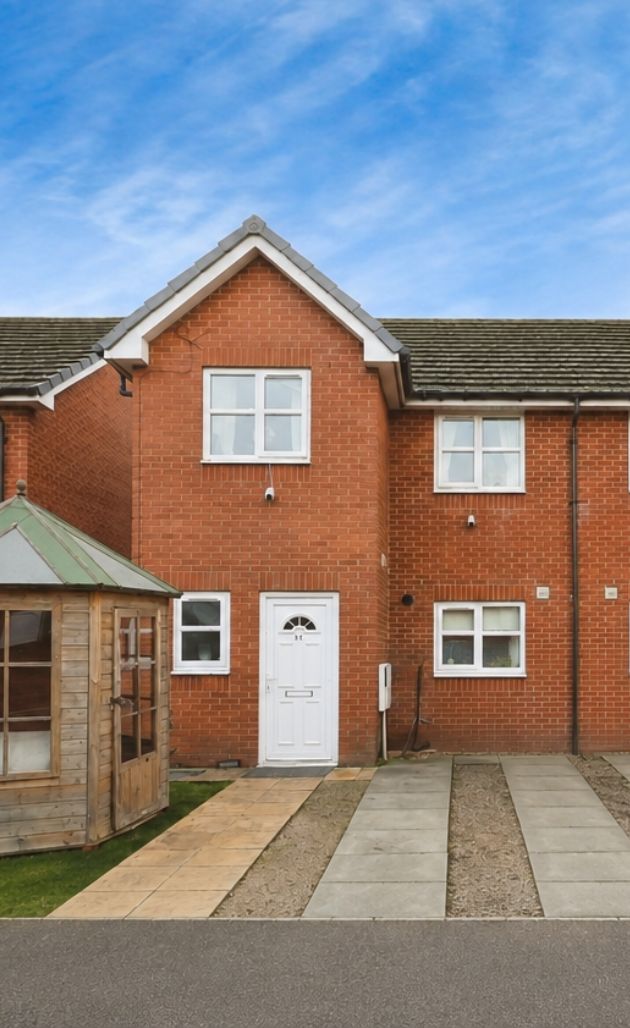
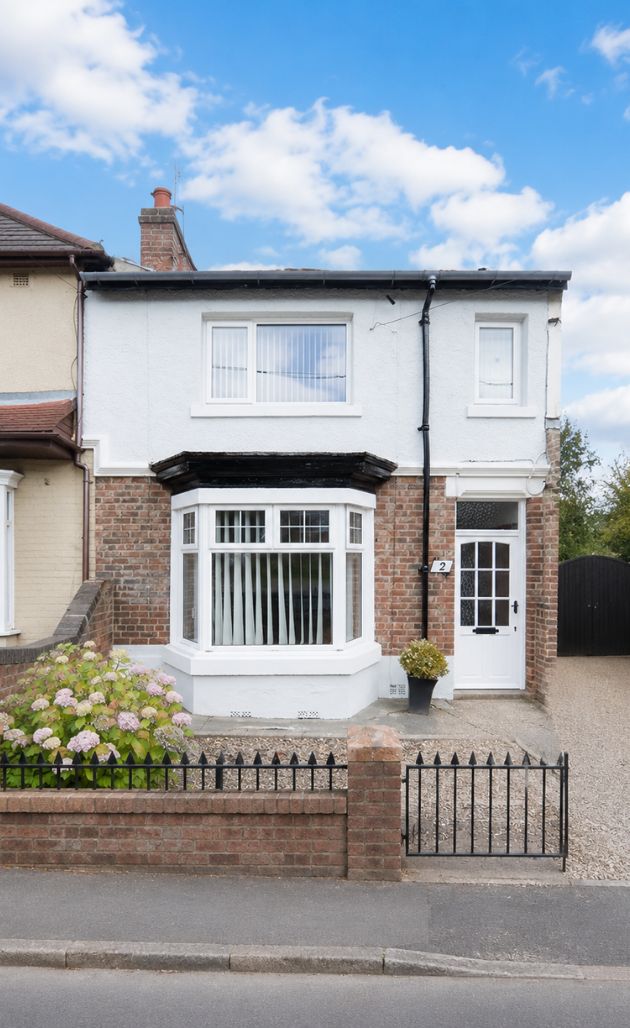
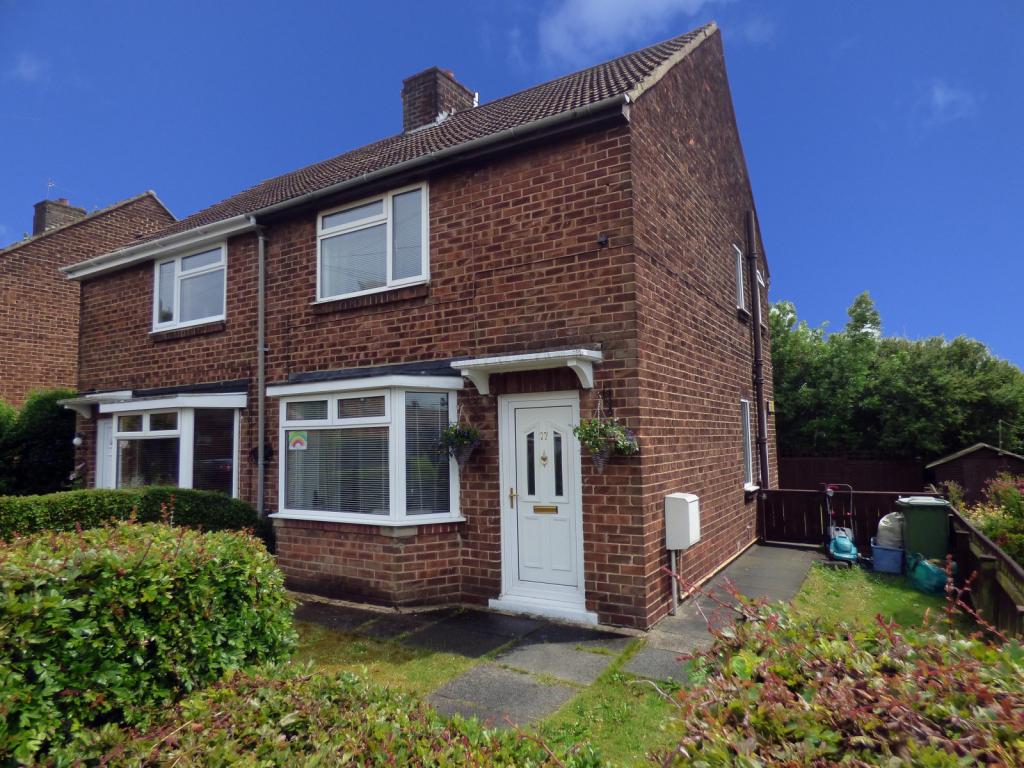
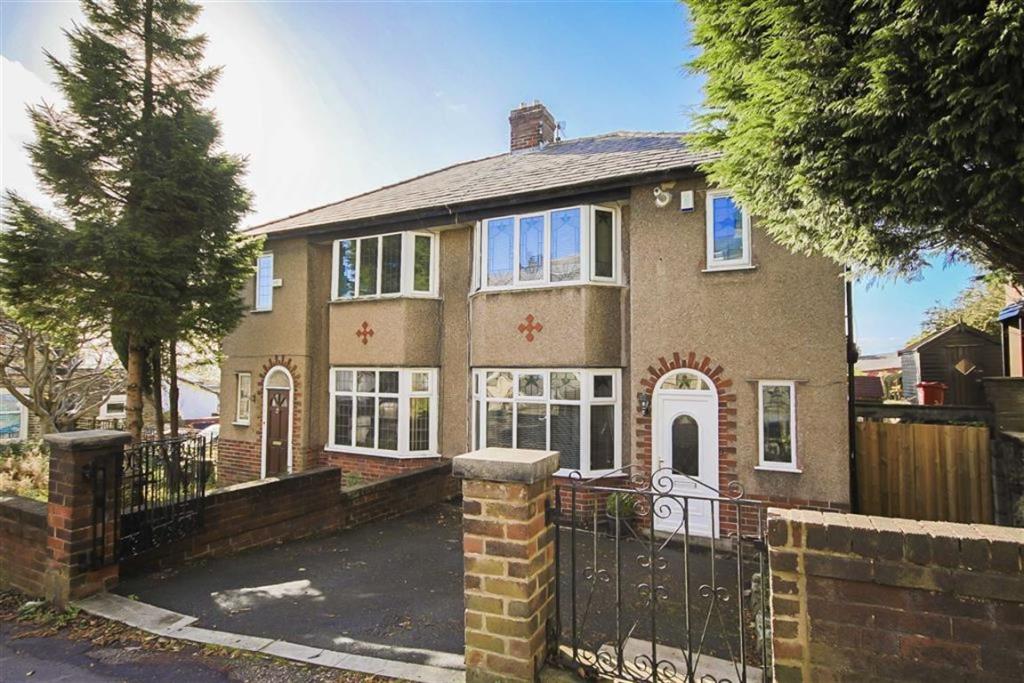
Compare H1 to H8 across a carefully structured range of two and three-bedroom houses. Every type is Flexi-Furnished and Freehold ownership or equivalent.
Net rent assured for a minimum of five years




Understand the
investment case
These answers summarise the market logic behind the Find UK Property approach. A consultant can explain how it applies to a specific property and budget.
01Why can lower-cost property deliver stronger yields?+
Rental income does not always rise in proportion to purchase price. In established Northern towns, lower entry prices combined with steady tenant demand can produce a higher percentage return.
02Does property only grow well in London?+
No. The Find UK Property market guide describes long-term percentage growth as broadly distributed, with different regions leading at different points in the cycle.
03Why focus on smaller Northern towns?+
They can combine lower house prices, established residential demand and Freehold housing stock without the pricing premium often found in major city centres.
04What does investment return include?+
Property return can come from rental income while you own the home and capital growth in its value over time. Both can vary and past performance does not guarantee future results.
Turn market insight
into property ownership
Tell us your budget and income goals. Our team will explain the locations, house types and fully managed options available.
Book your consultation