Landlords are exiting flats as houses prove the stronger long-term investment
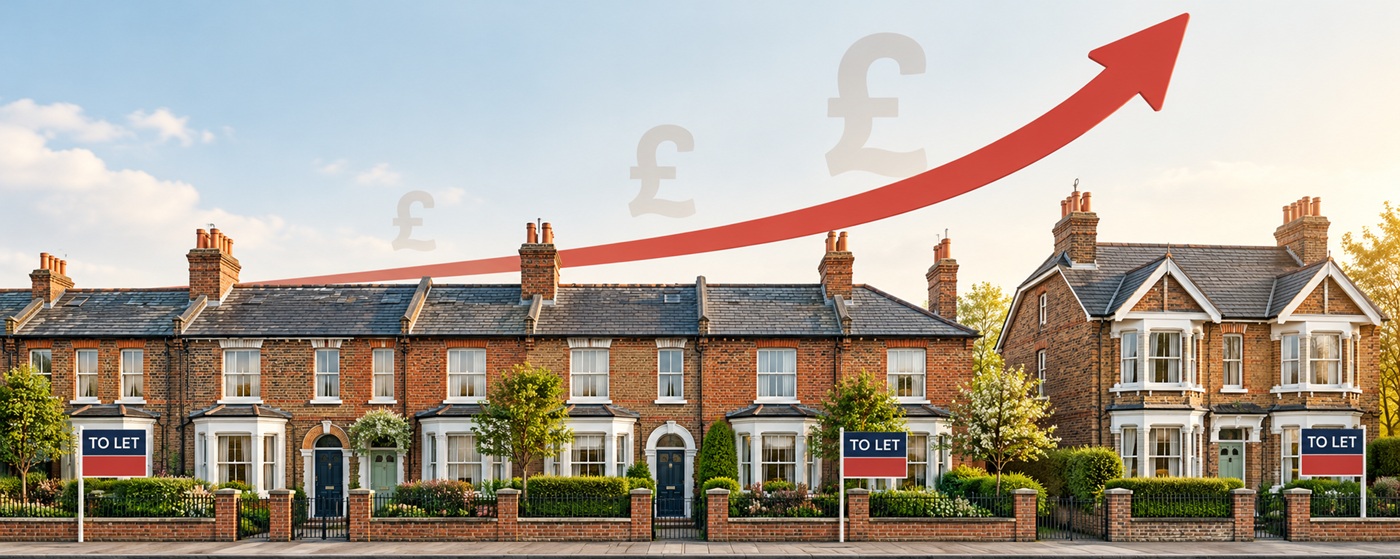
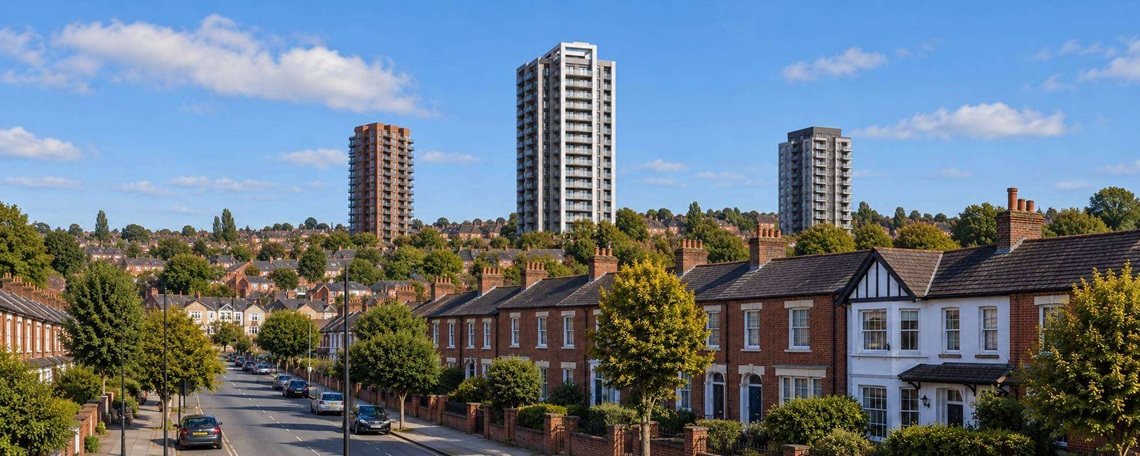
Since 2016, flat prices have risen by just over 10%, whilst in some areas of the north, house prices have risen by almost 80%.
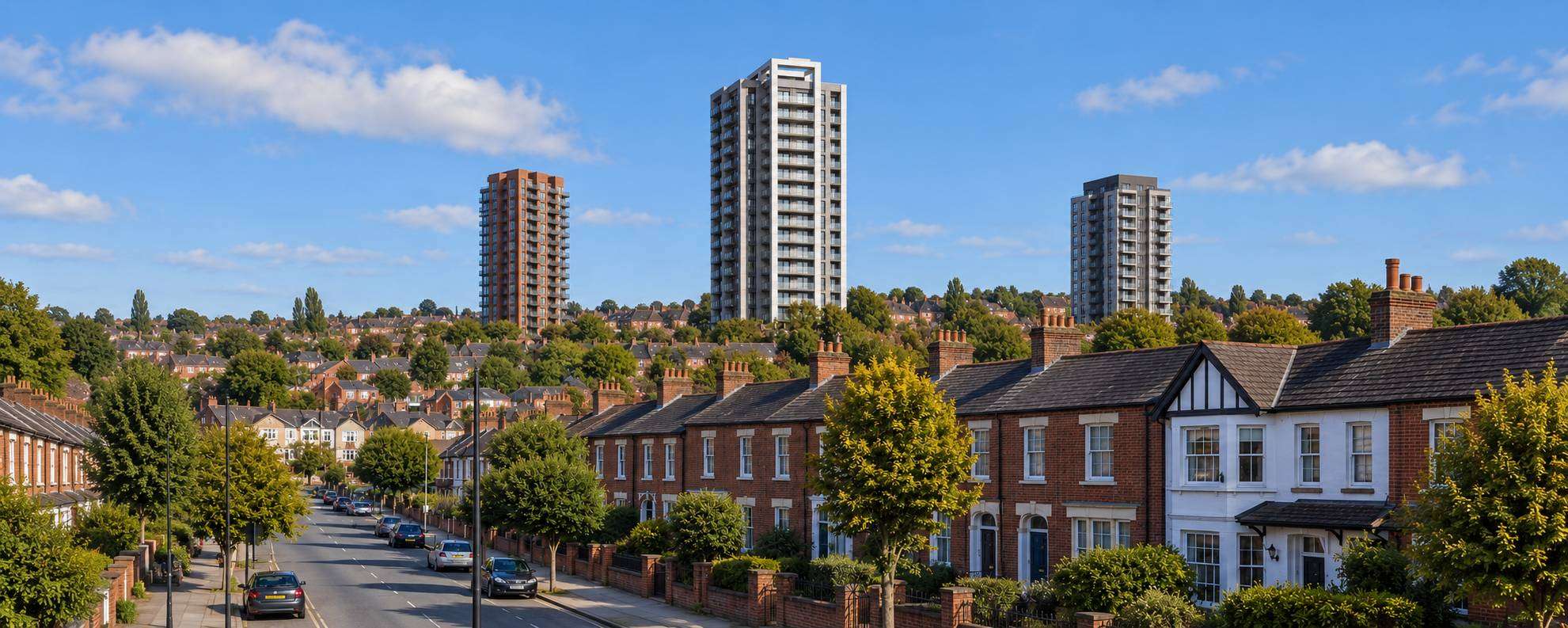
Source: Zoopla figures cited by Property118. Regional performance varies.
That is the most important statistic behind a growing shift in the buy-to-let market.
More landlords are selling flats, particularly in developments where rising service charges, maintenance costs, leasehold issues and weaker capital growth have made the investment increasingly difficult to justify.
According to Hamptons data reported by Property118, 26.7% of flats currently listed for sale were previously rented, compared with 16.3% in 2018. By contrast, the equivalent figure for terraced houses has increased much more modestly, from 10.3% to 13.1%.
For investors, the message is becoming clearer.
The cheaper, leasehold property is not always the best investment.
The short read
Landlords are increasingly exiting flats.
More than one in four flats currently for sale were previously rental properties, while investor demand for flats has also declined significantly.
At the same time, flats have delivered substantially weaker capital growth than houses.
For Find UK Property investors, this reinforces the importance of focusing on property types with straightforward ownership structures, sustainable rental demand and stronger potential for long-term capital performance.
The key takeaway
Low purchase prices can make flats look attractive, but service charges, leasehold costs, oversupply and weaker capital growth can make them significantly less attractive as long-term investments.
Houses have dramatically outperformed flats
The difference in long-term performance is difficult to ignore.
Zoopla figures cited by Property118 show that flat prices have increased by just over 10% since 2016.
Houses have risen by 43% over the same period, and by up to 80% in certain areas.
That gap matters enormously to an investor.
Rental income is important, but property investment is usually a long-term strategy. The value of the underlying asset can therefore have a significant impact on the total return achieved over many years.
A flat may appear attractive because the initial purchase price is lower.
Property118 reports that the typical flat now costs around £193,000, compared with approximately £327,000 for a house.
But a lower entry price does not automatically mean better value.
If the property experiences weaker capital growth while carrying additional annual costs, the apparent saving at purchase can become much less attractive over time.
More than one in four flats for sale were previously rented
The clearest indication of changing landlord sentiment is the volume of former rental flats now coming onto the market.
Hamptons data shows that 26.7% of flats currently listed for sale were previously rented, up from 16.3% in 2018.
This is not happening to the same extent with houses.
Among terraced properties, the proportion has risen from 10.3% to only 13.1%.
There are several reasons why flats can become harder to justify as investments.
- —Service charges can rise substantially and are largely outside the landlord’s control.
- —Maintenance and management costs can add further pressure.
- —Leasehold terms can complicate ownership and future resale.
- —And in large apartment developments, dozens of almost identical properties can compete for the same tenants and buyers.
Property118 highlights one Birmingham development containing 320 flats where 32 one-bedroom apartments were simultaneously on the market, with asking prices ranging from £130,000 to £220,000.
That level of competing supply can make it much harder for an individual owner to differentiate their property.
Flat sellers are making larger reductions
Growing supply is already affecting pricing.
Property118 reports that 22% of flats sold after a price reduction of at least 10%, compared with just 13% of houses.
In some locations the pressure is considerably more severe.
In Birmingham’s B1 postcode, 61% of flat sellers sold at a loss during the previous 12 months, according to PropertyData figures cited in the article.
For existing owners, that can be painful.
For investors considering buying into these markets, it should also act as a warning.
A property being inexpensive does not necessarily mean it is undervalued.
Sometimes the lower price reflects genuine structural problems with the investment.
Service charges, weak resale demand or a large supply of identical apartments can continue to limit performance even after the purchase price has fallen.
That is why a large discount should never replace proper property selection.
Investors themselves are moving away from flats
The shift is not only visible among sellers.
Investor purchasing behaviour is changing too.
Landlords accounted for 24% of flat purchases in 2016.
By 2026, that share had fallen to 13.3%.
That is a significant change in a decade.
It suggests professional and experienced buyers are becoming increasingly cautious about the economics of flat ownership.
The remaining buyer market is therefore more dependent on first-time buyers and owner occupiers.
But these buyers can also be wary of leasehold arrangements and high service charges.
This can create a difficult combination for investors.
Existing landlords want to sell.
New landlords are less interested in buying.
And some owner occupiers are cautious about taking on the same costs.
The result can be increased supply and weaker pricing.
Simple property can be a strength
None of this means every flat is automatically a poor investment.
There will always be individual flats in strong locations where the purchase price, lease terms, service charge and rental demand make sense.
But the latest figures demonstrate why houses can provide a simpler and more resilient investment proposition.
- ✓A typical house does not carry the same communal service charge structure.
- ✓There is normally more control over maintenance.
- ✓Freehold ownership is generally simpler than leasehold.
- ✓And houses can appeal to a broader mix of tenants and future owner occupiers.
Most importantly, the historical price data currently shows a substantial difference in performance.
Up to 80% growth for houses compared with just over 10% for flats since 2016.
For a long-term investor, that difference deserves attention.
Why this matters for Find UK Property clients
For Find UK Property clients, the landlord exit from flats supports a strategy focused on straightforward, affordable regional housing.
Find UK Property does not simply look for the lowest possible purchase price.
The objective is to source property where the purchase price, rental demand, ownership structure and long-term potential work together.
That distinction is important. For Find UK Property clients, the current flat sell-off therefore reinforces the value of buying the right type of property rather than chasing the lowest entry price.
Cheap property and good property are not the same thing
The growing landlord exit from flats is a useful reminder of what matters in property investment.
More than one in four flats currently for sale were previously rented.
Investor purchases of flats have almost halved as a share of the market since 2016.
And flat prices have increased by only a fraction of the growth achieved by houses.
The issue is not that flats can never work.
It is that investors need to account for costs and risks that are often less significant when buying houses.
Service charges, leasehold restrictions, competing apartment supply and weaker resale performance can all affect the investment case.
For Find UK Property investors, the latest data supports a much simpler principle:
Do not buy a property because it looks cheap. Buy a property because the fundamentals make sense.
And increasingly, the evidence suggests that carefully selected regional houses offer a stronger long-term proposition than many flats currently being sold by exiting landlords.
Sources
Property118: Landlord flat sell-off puts prices under pressure, 26 August 2026.
ONS: UK House Price Index, June 2016