PRICES ARE INCREASING BY £2,000
Search
Man giving lecture

Andy Burnham Is Now The Prime Minister: Five Housing Changes That Could Benefit Northern Property Investors

Andy Burnham’s arrival in Downing Street has put regional investment and the North of England firmly back into the political spotlight. After becoming Prime Minister on 20 July 2026, the former Greater Manchester mayor brought with him a long-standing focus on rebalancing opportunity away from London and the South.

For property investors, the important question is what that change in leadership could mean for housing. Five possible policy directions stand out: abolishing Stamp Duty, abolishing council tax, replacing it with a proportional property tax, continuing to rule out rent controls, and raising property standards alongside landlord responsibilities.

These measures have not been announced as one confirmed government package. Some may never happen, and any major tax reform could take several years. Even so, the potential direction is striking. Taken together, the five changes could make expensive homes in London and the South more costly to hold while improving the relative position of affordable houses in northern England.

For current owners of low-cost rental property, that could mean stronger values, improving rental income and a comparatively modest tax burden. For future investors, it could strengthen the argument for buying affordable freehold houses before any major market adjustment takes place.


1. Abolishing Stamp Duty Could Unlock More Transactions

Stamp Duty is a one-off tax paid by the buyer when a property is purchased. The charges considered here include standard Stamp Duty on properties above £125,000, an additional 5% charge for buyers who already own a property, and a further 2% charge for overseas buyers.

Because the tax is paid at the point of purchase, it increases the amount of money needed to complete a transaction. Removing it could bring more buyers and sellers into the market. High-end homes in London and the South that have been difficult to sell could become easier to trade, while lower-cost houses that are already attracting buyers could face even greater demand.

Why this could favour current investors: Owners who already hold affordable northern houses would be positioned to benefit from any increase in demand and values without having to enter the market after prices have moved.

Why this could favour future investors: Removing Stamp Duty would reduce one of the major upfront costs of buying. However, if abolition also pushes prices higher, investors who purchase before any change could potentially secure today’s lower entry prices as well as exposure to future growth.


2. Abolishing Council Tax Could Improve Tenant Affordability

Council tax is generally paid by the occupier, which means the tenant usually carries the cost in a rental property. The burden is not proportionate to the value of the home, and it can be much heavier for people living in lower-cost properties.

A large three-bedroom northern house valued at £100,000 could carry council tax of around £1,000 a year, equal to approximately 1% of its value. A comparable house in the South might cost £500,000 but have council tax of around £1,500, equal to roughly 0.3%. A £10 million home could attract council tax of around £3,000, or approximately 0.03% of its value.

The removal of council tax would therefore deliver the greatest proportional benefit to tenants in affordable homes. A household saving more than £1,000 a year would have extra disposable income and greater capacity to meet housing costs.

Why this could favour current investors: Better tenant affordability could support stronger and more sustainable rental income in the low-cost sector. The potential gain is proportionally greater in northern markets because council tax currently represents a larger share of the property’s value and the tenant’s housing costs.

Why this could favour future investors: Affordable houses could become more attractive to tenants at the same time as their rental economics improve. This would reinforce the appeal of areas where purchase prices remain low but demand for practical family housing is strong.


3. A Proportional Property Tax Could Shift the Advantage North

One possible replacement for council tax is an annual property tax paid by the owner and calculated as a proportion of the property’s value. Using an illustrative rate of 0.48% a year, the difference between affordable and expensive homes becomes significant:

Property value

Possible annual property tax

£100,000

£480

£500,000

Approximately £2,400

£10 million

£48,000

When this is combined with the abolition of council tax, an affordable northern property could come out ahead. The tenant could save more through the removal of council tax than the owner would pay through the new property tax. Expensive homes would face the opposite result, with the new annual charge potentially far exceeding the council tax previously paid by the occupier.

Why this could favour current investors: On a £100,000 house, the illustrative property tax would be £480 a year. That is relatively modest compared with the possible improvement in tenant affordability and rental income. Existing low-cost owners could therefore be better placed to absorb the change.

Why this could favour future investors: A value-based tax would make purchase price even more important. Investors choosing affordable northern houses could face a much lower annual charge than owners of expensive southern property, helping to narrow the gap between the two markets.

“If Stamp Duty is abolished in the future, property prices will rise.”

4. Ruling Out Rent Controls Would Let Rents Follow the Market

Rent controls have been discussed as a way to limit increases, but the policy direction examined here is to continue ruling them out. The concern is that controls can distort the rental market and reduce the supply of available homes.

For investors, the absence of rent controls means rents can continue to respond to market conditions. This becomes particularly important if tenants stop paying council tax while owners take on a proportional property tax. Market-based rents would allow part of the tenant saving to flow through the rental market and help owners meet the new cost.

Why this could favour current investors: Existing landlords would retain the ability to adjust rent in line with the market rather than being locked into an artificial cap. For low-cost properties, where tenant council tax savings could be substantial, the potential rental effect may be stronger.

Why this could favour future investors: Investors would be able to assess a property using local demand, affordability and achievable market rent. That creates a clearer investment case than a system in which income growth is restricted while ownership costs continue to rise.


5. Higher Standards Could Reward Passive, Professionally Managed Ownership

The fifth area is already taking shape through higher landlord responsibilities, stronger compliance requirements, future EPC expectations and changes introduced through the Renters’ Rights Act. These measures increase the work, cost and legal responsibility involved in managing a rental property directly.

For many potential investors, this is the biggest obstacle. They may want the security and income of a tangible property asset, but they do not want to manage repairs, maintenance, tenants, legal compliance or changing regulations.

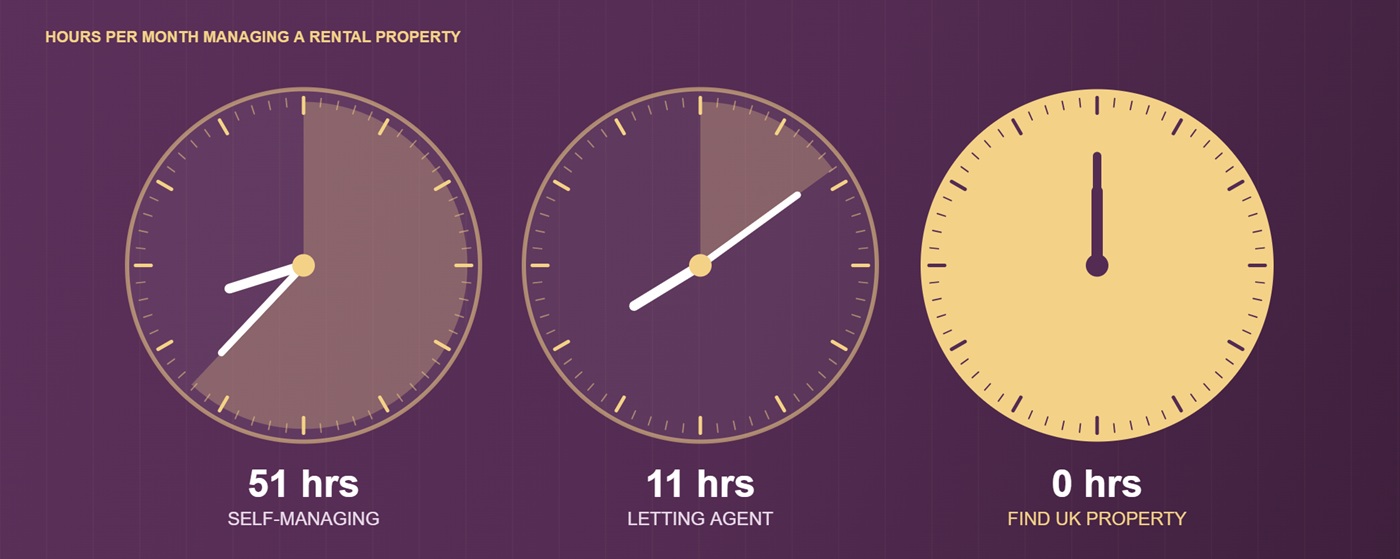
The passive model used by Find UK Property is designed to remove that barrier. Investors purchase an affordable freehold property that has already been renovated, upgraded to EPC C, made legally compliant, rented and producing income. The property is then leased to Find UK Property, which becomes the contractual tenant and handles subletting, maintenance, repairs, compliance and tenant matters.

The investor receives an agreed net rent without day-to-day involvement. Because Find UK Property manages more than 2,500 houses, the company can spread operational work and costs across a large portfolio rather than leaving each individual owner to manage everything alone.

Why this could favour current investors: Owners already using a passive structure are insulated from much of the practical burden created by higher standards. Their property can remain compliant and income-producing without requiring them to become active landlords.

Why this could favour future investors: New investors can gain exposure to affordable property without taking on the role that often discourages people from buying in the first place. As regulations become more demanding, professional management could become an increasingly valuable advantage.


Why Low-Cost Northern Property Could Be the Overall Winner

The five possible changes point in the same broad direction. Stamp Duty abolition could increase transactions and values. Council tax abolition could improve tenant affordability. A proportional property tax could be relatively light on lower-value homes. The continued absence of rent controls could allow rents to respond to the market. Higher standards could increase the value of a genuinely passive and professionally managed investment structure.

For investors who already own low-cost rental properties, the message is positive. The combination of potential capital growth, stronger rental income and a comparatively low property tax could protect returns and may improve them. For investors considering their first purchase or expanding a portfolio, affordable freehold houses in the North could offer a stronger balance of entry price, income and long-term growth than expensive properties in London and the South.

Find UK Property provides fully renovated and already rented freehold properties starting at under £80,000. Its model is designed for investors who want long-term property income while living anywhere in the world and without dealing with tenants, agents, maintenance or repairs themselves.

None of the five policy changes should be treated as guaranteed. However, if even some become reality over the coming years, the outlook for affordable northern housing could become more favourable. That makes the sector worth serious attention from both current owners and future investors seeking a lower-cost route into UK property.

Facebook
Twitter
LinkedIn

More News

Andy Burnham Is Now The Prime Minister: Five Housing Changes That Could Benefit Northern Property Investors

Why possible changes to Stamp Duty, council tax, property taxation, rent controls and landlord...

Rental Demand Rises as Supply Falls: What This Means for UK Property Investors

Competition for rental homes remains intense across the UK, reinforcing the long-term case for...

What 30 Years of Data Reveals About UK Property

UK house prices have risen in 25 of the past 30 years, showing the long-term resilience of the...

Shares vs Property: The Smarter Route to Retirement Income

Shares and property offer very different routes to building wealth. We compare their risks, income...

Almost 85% Of New Build Houses Are Unsold. Here’s Why Affordable Regional Homes Are Winning

With almost 85% of new-build homes remaining unsold, investors are becoming more selective. This...

England’s Property Boom Has Moved North. Here’s What the Latest Data Reveals

The latest official housing data reveals a major shift in England's property market. While the North...