


Black Friday Deals
Black Friday Deals Mix and Match
Black Friday Deals Stamp Duty offer We’ll Pay Up To £3,000
Black Friday Deals 3 Years Rent in Advance
Black Friday Deals Buy more than one Extra £999 off each house
Search

Houses vs. Apartments – Which Is the Best Property Investment?

Deciding between houses and apartments can be a challenge when it comes to property investment. In a recent video, Dr. T from How to Invest shared insights on the pros and cons of each property type, comparing them across key investment criteria. Here’s a detailed breakdown of the video to help you make an informed decision.

Key Features of Houses

  • Ownership Structure: Houses are freehold properties, meaning you own both the building and the land. This eliminates fees like ground rent or service charges.
  • Types and Sizes: Houses come in various forms, such as terraced, semi-detached, or detached, and are often categorised by size (e.g., 2-bed, 3-bed).
  • Location: Typically found in suburbs or smaller towns rather than city centers.
  • Durability and Flexibility: Houses are generally older, built to last, and offer more flexibility for renovations or extensions.
 

Key Features of Apartments

  • Ownership Structure: Apartments are leasehold properties, where you lease the unit for a long term (e.g., 99 years). This requires paying ground rent, service charges, and potentially other fees.
  • Types and Sizes: Apartments are often smaller (studio, 1-bed, or 2-bed) and located in multi-story buildings, usually in city centers.
  • Modern Design: Many apartments are newer constructions or sold off-plan, meaning they are still under construction when purchased.
  • Special Categories: Some apartments, like student pods or hotel rooms, come with restrictions, such as limited resale markets and usage agreements with management companies.
 

Comparing Houses and Apartments for Investment

  1. Rental Yield
    • Gross Yield: Apartments may seem attractive due to reasonable gross yields.
    • Net Yield: However, after factoring in fees like ground rent and service charges, houses outperform apartments in terms of net rental yield.
  2. Capital Growth
    • Houses have historically shown better capital growth compared to apartments.
    • Factors such as shrinking lease terms, increasing service fees, and limited resale markets further reduce apartments’ potential for appreciation.
  3. Control and Flexibility
    • Freehold houses offer more control over renovations and development, whereas apartments require freeholder permission, often with associated fees.
    • Some apartment leases restrict renting options, such as short-term lets or Airbnb.
  4. Ease of Purchase and Resale
    • Apartments are easier to buy, as they’re often marketed by developers and investors.
    • However, resale can be challenging, as new apartments are typically more appealing to buyers.
  5. Affordability
    • Apartments are generally more affordable, with a 2-bedroom flat often costing 30% less than a 2-bedroom house in the same area.
    • However, mortgage options may be limited for apartments with leases under 80 years.
  6. Maintenance
    • Apartments are easier to maintain, as the building’s upkeep is handled by service managers.
    • Houses require more hands-on maintenance but offer independence from third-party management.
 

Dr. T’s Recommendations

  • For Personal Use: If you need an affordable, low-maintenance home in a city center and don’t prioritise investment returns, consider buying a resale apartment—not a new or off-plan unit.
  • For Investment: Freehold houses are the superior choice. They offer better returns, more control, and easier resale opportunities.
 

Alternatively, consider renting an apartment for personal use and investing in a freehold house to generate income to cover your rent.

To learn more about property investment, check out FindUKProperty.com website or watch more videos on their YouTube channel.

Investing in property is a significant decision. Whether you choose a house or an apartment, understanding the key differences can help you maximise your returns and meet your goals.

Facebook
Twitter
LinkedIn

More News

Lloyds House Price Index: North West and North East Lead English House Price Growth

Lloyds HPI October 2026: North West prices up 2.2% and North East up 2.0% while UK prices fell 1.2%...

UK Budget 2026: Why the Outlook Remains Positive for Property Investors

Despite a 2 percentage point rise in income tax on personally held rental profits from April 2027...

North vs South: Land Registry Figures Reveal Where UK House Prices Are Rising Fastest

UK House Price Index for August 2026: North East prices rose 3.2% and North West 2.2% year on year...

Dr. T’s Predictions For 2026: How Are They Looking Now?

North East England recorded an average gross rental yield of 8.02% in the third quarter of 2026...
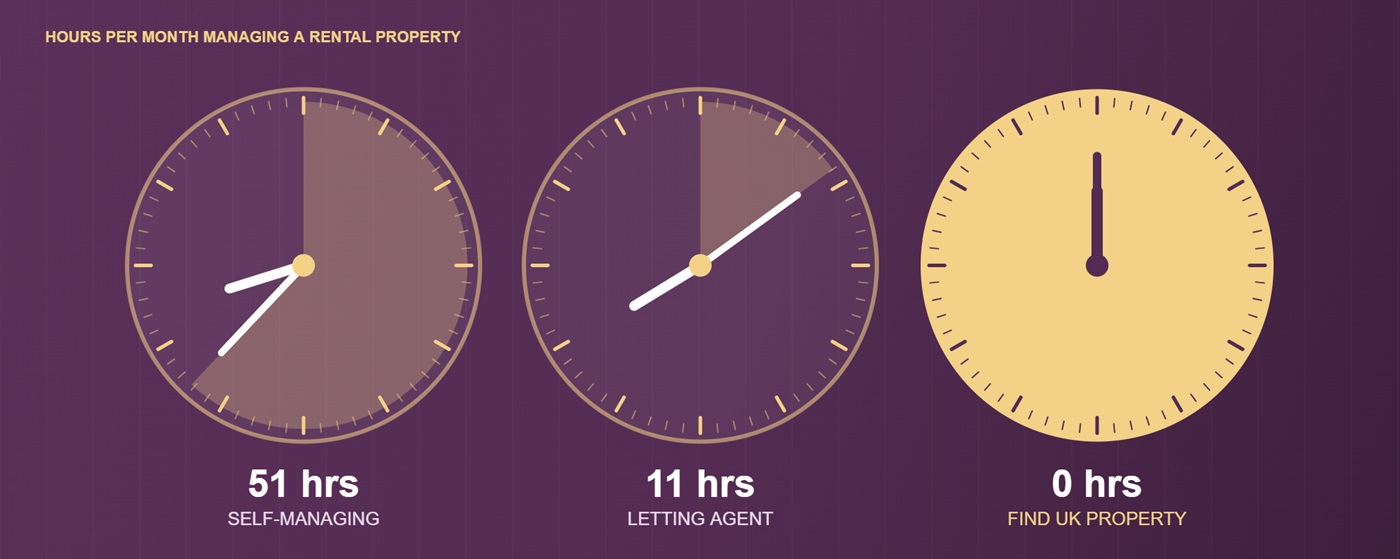
51 Hours, 11 Hours or Zero? The True Time Cost of Being a Landlord

Self-managing landlords spend 51 hours a month on their rentals, and those using an agent spend 11...
UK Rental yields at their highest since 2011

North East England recorded an average gross rental yield of 8.02% in the third quarter of 2026...