From April 2025, the threshold for stamp duty relief for first-time buyers was reduced from the temporary level of £425,000 back to £300,000. Economists were expecting this policy shift to impact affordability, and bring with it a modest downturn.
Yet, In April, annual growth reached 3.2% – the fastest pace seen this year – according to Halifax. The UK housing market in 2025 continues to display a combination of resilience and regional divergence.
Analysts attribute this resilience to a combination of factors, including falling mortgage rates – many now below 4% – and wage growth surpassing inflation. Halifax data suggests that improved affordability, coupled with increased buyer confidence, has helped stabilise the market on the whole.
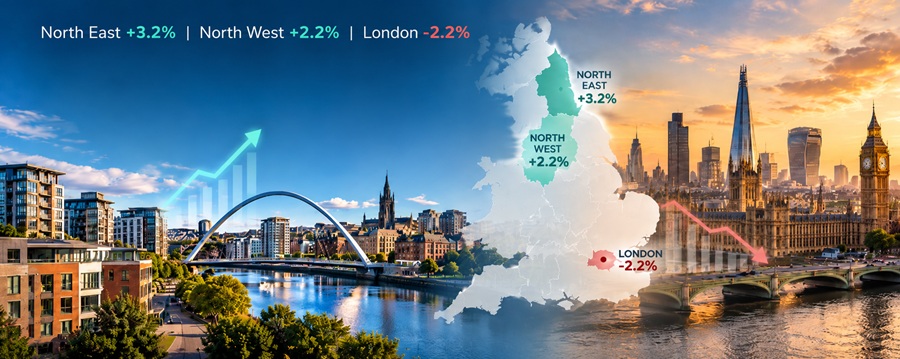
However, this strength is far from evenly distributed. Northern Ireland experienced the most significant year-on-year growth, with prices up by 8.1%, while South West England recorded a much more modest rise of just 0.9%, according to The Guardian. Within England, The North West, in particular, has emerged as a strong performer. The Office for National Statistics reported that the average home in the region rose in value by 6.8% over the past year, surpassing the national average. Complementing these findings, the Land Registry noted that house price inflation in the North West reached 8% as of February 2025 (The Prestbury Advisory).
Joshua Walters, Senior Property Consultant at Find UK Property comments:
“Despite the impact on some buyers from the Stamp Duty increase, there are genuinely exciting pockets of opportunity out there for properties underneath the threshold. Places like the North West aren’t just affordable, they’ve got real energy behind them – good transport links, local investment and headroom for further growth, unlike other regions. If you’re thinking about investing, don’t let the ‘up and down’ headlines scare you off. With the right advice, there’s room for everyone to find their footing.”
Looking forward, property values in the North West are projected to rise by a cumulative 29.4% over the next five years – more than any other UK region. According to property investment platform BuyAssociation, this growth is driven by significant regeneration initiatives, upgraded transport infrastructure, and a strengthening local economy.