£5 Billion Focused on Lower Income Households
At least £5 billion of the total funding is being allocated specifically to low income households, including tenants.
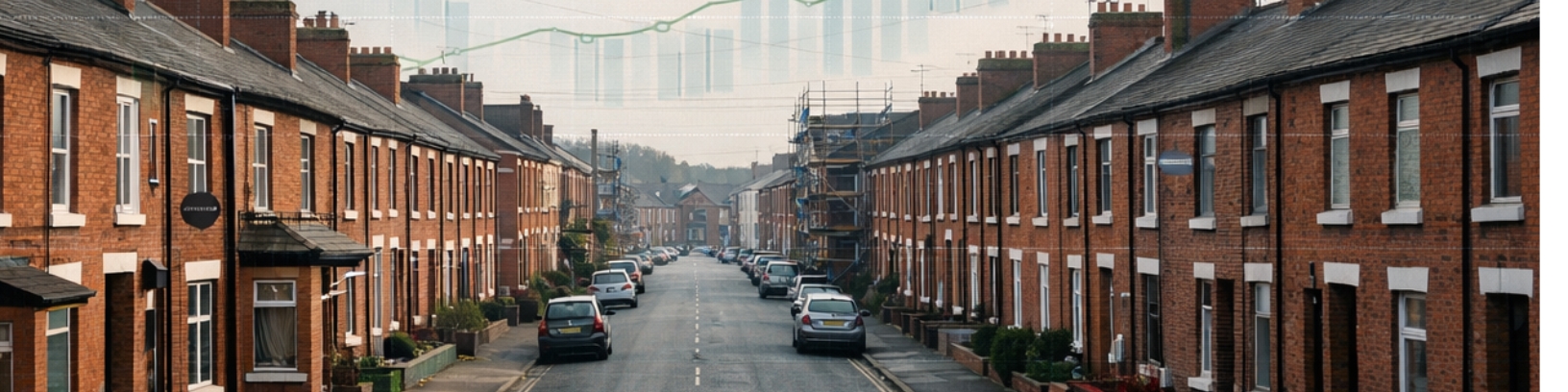
That is highly relevant for investors operating in the more affordable segments of the market, particularly in northern regions where entry prices are lower and rental yields are stronger.
Lower income families, who typically live in lower value homes, are expected to be prioritised. In many cases, upgrades could be fully funded or require minimal contribution from occupiers.
In simple terms, the government is injecting capital directly into the very part of the market that delivers some of the strongest rental returns.
EPC Changes and the 2030 Deadline
Landlords will be required to ensure their rental properties achieve EPC grade C by 2030.
The way EPCs are assessed is also expected to change, with greater emphasis placed on:
- Overall energy demand
- Heat loss and insulation quality
- Running costs
- Carbon emissions
- Heating system efficiency
Energy performance will become more important, not less.
What This Means for Passive Owners
If you are a passive investor with Find UK Property, you are not the active landlord. The property is rented back to Find UK Property under a long term agreement.
That means:
- Compliance responsibilities sit with the company
- Ongoing management is handled for you
- Upgrades and EPC compliance are managed operationally
- You are not dealing with tenants or regulatory administration
As energy standards rise, professionally managed portfolios are typically better positioned to adapt.
Lower Bills, Stronger Tenancies, Healthier Cash Flow
When tenants spend less on energy, they have more disposable income. That supports rental affordability and stability.
Energy efficient homes are also increasingly desirable. Over time, this can strengthen tenant demand for upgraded homes and help protect occupancy rates.
A Direct Boost to the Housing Stock
£15 billion flowing into UK homes is effectively a capital improvement programme for the national housing stock.
When properties are upgraded:
- They become more desirable
- They cost less to run
- They meet higher regulatory standards
- They often command stronger valuations
Government funded improvements raise the overall quality baseline of the housing market.
Final Thoughts
The Warm Homes Plan is more than an environmental policy. It is a £15 billion signal of intent about the future of UK housing.
- Warmer homes.
- Lower bills
- Higher standards
- Long term investment into residential property.
For passive investors seeking stable income and capital growth without day to day landlord responsibilities, this is a supportive development.
If you are considering building a portfolio of affordable UK freehold houses with guaranteed rent and no operational hassle, now is a smart time to explore your options.
Visit findukproperty.com and speak to one of our consultants to see how our fully managed, 100 percent passive property solutions could work for you.