While most people were enjoying a lie-in or dodging showers at the BBQ, the UK property market was quietly making headlines. Whether you’re thinking about investing, starting your portfolio, or just want to make smarter property decisions, here’s what moved over the long weekend — and why it matters now more than ever.
🏡 1. Smaller Towns Outperforming Big Cities
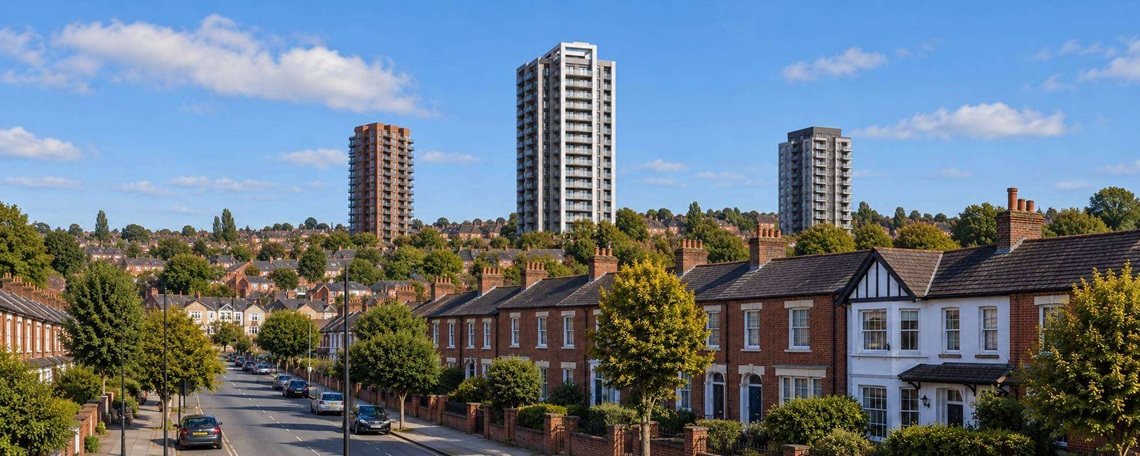
Latest data shows that properties in smaller towns and rural areas are growing in value faster than those in major cities. Since 2020, terraced houses outside urban centres have jumped by 25% – and they’re still more affordable to buy.
What it means: Smart investors are following the value, not the postcode. Low-cost properties in overlooked areas are proving to be steady growers – and they often come without the volatility of inner-city flats.
🌊 2. Coastal Bargains in the North
Scotland’s Campbeltown was named the UK’s most affordable seaside town, but eyes are also on Newbiggin-by-the-Sea in Northumberland – a charming coastal town with prices that are still accessible for new buyers or investors priced out elsewhere.
What it means: The North East continues to offer hidden gems. Whether you’re buying to rent, use as a holiday let, or hold for growth, these smaller coastal towns offer better value than oversaturated hotspots.
🏗️ 3. Developers Face Pressure to Deliver
The government is pushing ahead with plans to fine developers who delay building after getting planning permission. The goal is to speed up the delivery of 1.5 million new homes.
But there’s a catch – the UK is still battling a skills shortage in construction. Some experts suggest these rules could actually slow things down if developers become reluctant to even start new projects.
What it means: Supply will remain tight in the short term, especially in high-demand regions. For buyers and investors, existing ready-to-rent stock is more valuable than ever – no waiting, no guesswork, no delays.
📜 4. Leasehold Law Gets a Shake-Up
New laws just made it easier and cheaper for flat owners to extend leases and protect themselves from sneaky hidden charges. Good news for leaseholders – but let’s be honest: leasehold still comes with limitations.
What it means: When you’re weighing up property types, freehold will always offer the cleanest, most reliable ownership structure. Long-term investors know – fewer restrictions mean fewer headaches later on.
👀 Final Take: The Market Is Moving – Are You?
From rising values in overlooked towns to new legal protections and supply pressures, the message is clear: momentum is building. The smartest plays now are in properties that are already established, fully managed, and located in regions where demand is steady and growth is consistent.
Whether you’re investing from abroad, planning for retirement, or just looking for a better return than the bank, now’s the time to act – before the rest of the market catches up.