LIMITED TO FIRST 40 RESERVATIONS
Most Investors Spend £120k On A Single Property - But With This Solution They Get Two The UK Housing Crisis Isn’t Going Away, And That Creates Long-Term Opportunities for Property Investors Ask Geno - Inside the Find UK Property Buying Team and the Realities of Buying Property in the UK Market New Property Rules ‘Lock In’ Active Landlords While Find UK Property Clients Stay One Step Ahead UK Rental Market Update From RICS: Demand Up, Supply Down, Rents Still Rising Northern Rental Markets Continue to Climb as UK Rents Rise Again April Property Boom: UK Hotspots Outperform the Market Coming Next Month: £7,000 Landlord Fines For Non-Compliance And How Investors Can Avoid Them Property Prognosis: Gold vs Property - Which Is the Better Investment in the UK in 2026? UK Property Market Defies Global Headwinds as Growth Returns in March The HMO Question: Dr. T Compares the UK’s Key Property Investment Routes The UK’s Most Affordable Towns and Why the North is Leading the Way The £48 Billion Shake-Up: Why Fewer Landlords Means Bigger Returns February’s UK Property Data and the £300,000 Milestone £15 Billion Into UK Homes: What the Warm Homes Plan Means for Property Investors Three Potential Rate Cuts: What Could This Mean for UK Property Investors? Dr. T’s Property Prognosis: Why 2026 Is Shaping Up as a Year of Opportunity The £48 Billion Shake-Up: Why Fewer Landlords Means Bigger Returns February’s UK Property Data and the £300,000 Milestone £15 Billion Into UK Homes: What the Warm Homes Plan Means for Property Investors Three Potential Rate Cuts: What Could This Mean for UK Property Investors? Dr. T’s Property Prognosis: Why 2026 Is Shaping Up as a Year of Opportunity
Search

Interest, Inflation & Opportunity - Why the Latest Economic Shift Works in Your Favour

The Bigger Picture: What Slowing Wage Growth Is Signalling to Investors

There’s a quiet shift happening in the UK economy – one that might not make bold headlines, but beneath the surface, it carries encouraging signals for property investors.

Wage growth is beginning to cool – a development that, while complex, could have positive ripple effects for those monitoring the housing market closely.


What Slower Wage Growth Could Mean for the Market

Economic shifts rarely move in straight lines – and slowing wage growth is no exception. While it reflects real pressures for many households, it also feeds into a broader trend that could help stabilise the housing market.

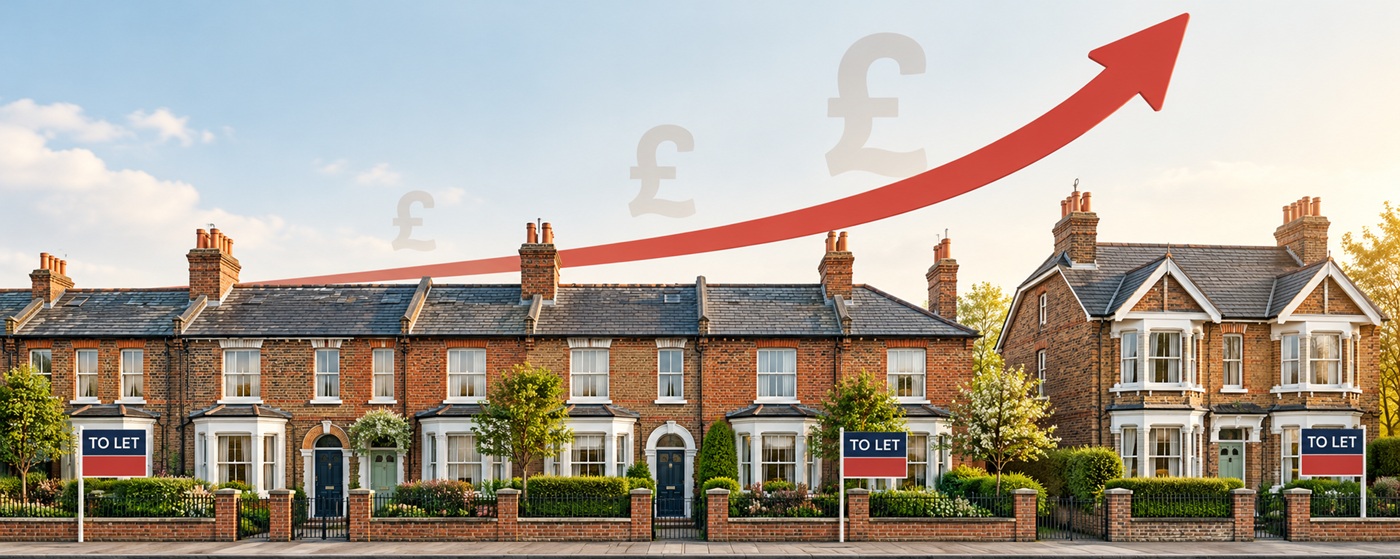
Moderate wage growth can help ease inflation – and in turn, that opens the door for key policy shifts that benefit the housing sector:

“The recent slowdown in wage growth is a key indicator for economists and policymakers,” explains Dr. Sadia Mohammed, Director at Find UK Property. “It doesn’t mean inflation has fallen but it does suggest a reduction in upward pressure. This increases the likelihood of interest rates being cut to make mortgages more affordable. This would bring more buyers into the market and ultimately stimulate further price growth.”

For investors, this is a strategic moment – before conditions shift and demand accelerates.

This chain reaction may lead to greater accessibility for buyers – especially in northern towns where affordability and strong rental returns go hand in hand.


Rates, Rent & Returns: What This Means for Investors

With interest rates expected to fall gradually, two big things happen:

1. Buyers who were priced out start to re-enter the market.

First-time buyers eager to get on the property ladder return.

Families upgrade.

Landlords invest again.

2. Existing property values are supported and likely to climb.

As demand returns, the upward pressure on pricing resumes – especially in regions where housing stock is still tight.

For our investors, this means today’s prices – especially in low-cost, high-yield areas – are likely to represent the bottom of the curve.


Why the North Still Leads

While the southern market feels squeezed, the North continues to attract attention:

  • Lower entry costs: Properties under £100k are still common.
  • 78% gross yields: Especially in towns like Burnley and County Durham.
  • Tenants are staying longer: As affordability tightens, renters are holding onto homes – reducing voids.


"This chain reaction may lead to greater accessibility for buyers - especially in northern towns where affordability and strong rental returns go hand in hand."

The Long-Term View: Invest When Confidence Is Quiet

History shows that the investors never wait for the headlines to shout the right time. They act during the quiet confidence phase – when the fundamentals improve, but sentiment hasn’t caught up yet.

That is the stage we’re in now.

So, while the news might talk about cooling wage growth, those who understand the broader economic levers – inflation, interest, and demand – know it’s time to buy property. 

👉 Talk to our team today about how to take advantage of these shifts – before the rush begins.


More News

The UK Housing Crisis Isn’t Going Away, And That Creates Long-Term Opportunities for Property Investors

The UK housing crisis shows little sign of easing. Affordability challenges, limited housebuilding...

Ask Geno – The Interview

Go behind the scenes with Geno Stafford, Buying Team Leader at Find UK Property, as he shares what...

New Property Rules ‘Lock In’ Active Landlords While Find UK Property Clients Stay One Step Ahead

New rental rules could make it harder for landlords to sell and then return to the rental market...

UK Rental Market Update From RICS: Demand Up, Supply Down, Rents Still Rising

The latest RICS Residential Market Survey highlights something many investors are already seeing...

Most Investors Spend £120k On A Single Property – But With This Solution They Get Two

At Find UK Property, we’ve spent years helping investors build stronger property portfolios across...

Northern Rental Markets Continue to Climb as UK Rents Rise Again

UK rental prices increased again in April, reinforcing the growing pressure facing tenants across...